Content
Passive recording of human presence along trails and access points using motion-triggered camera traps.
Classification
Key characteristics
Tool description
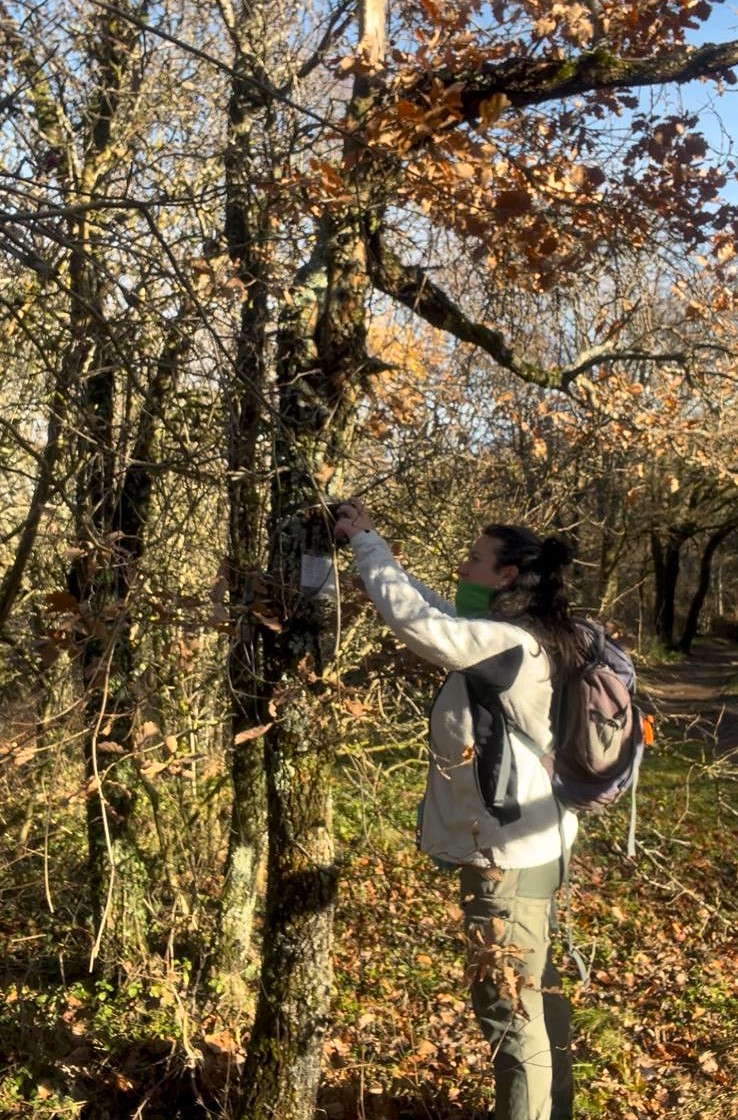
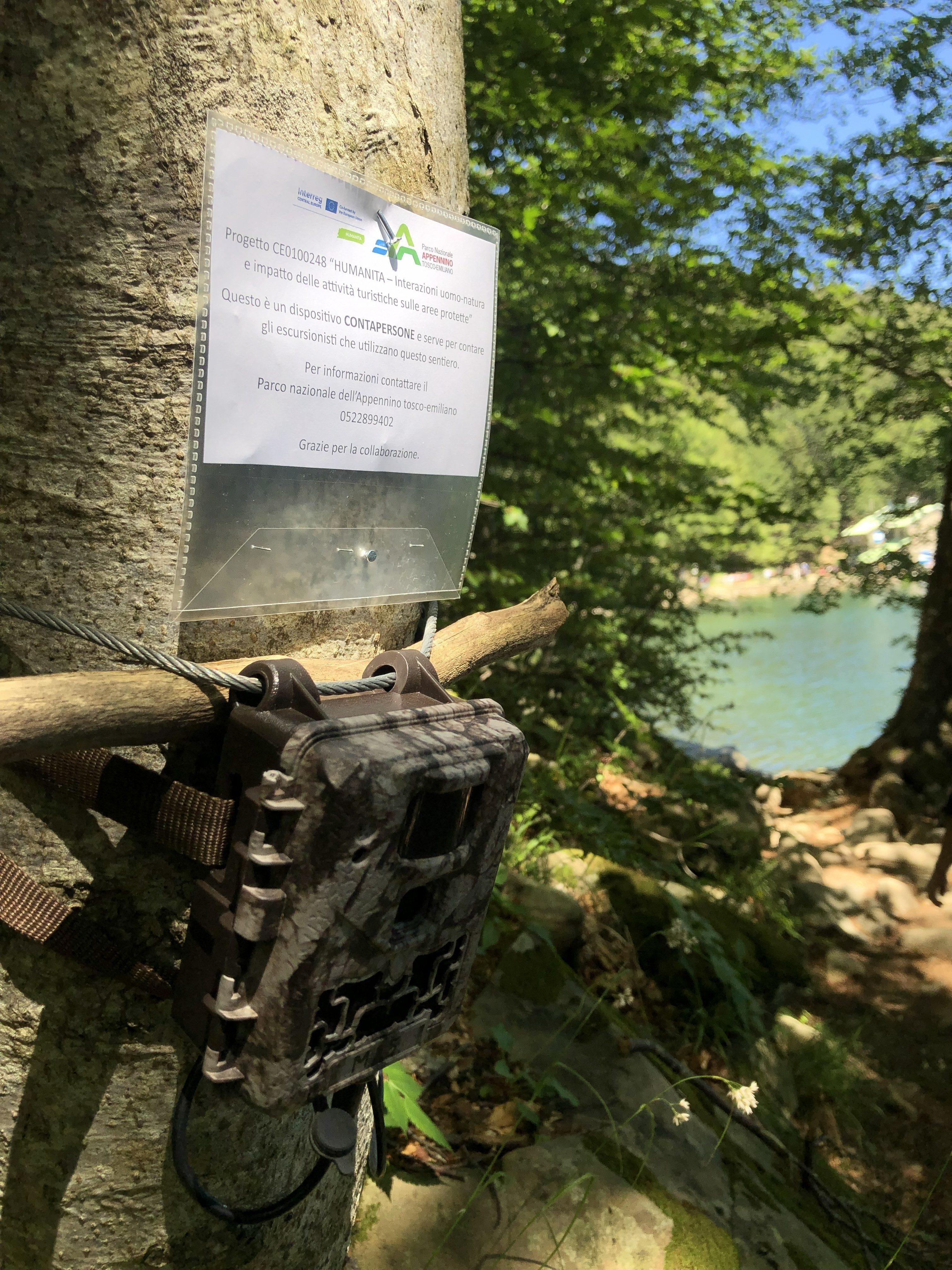
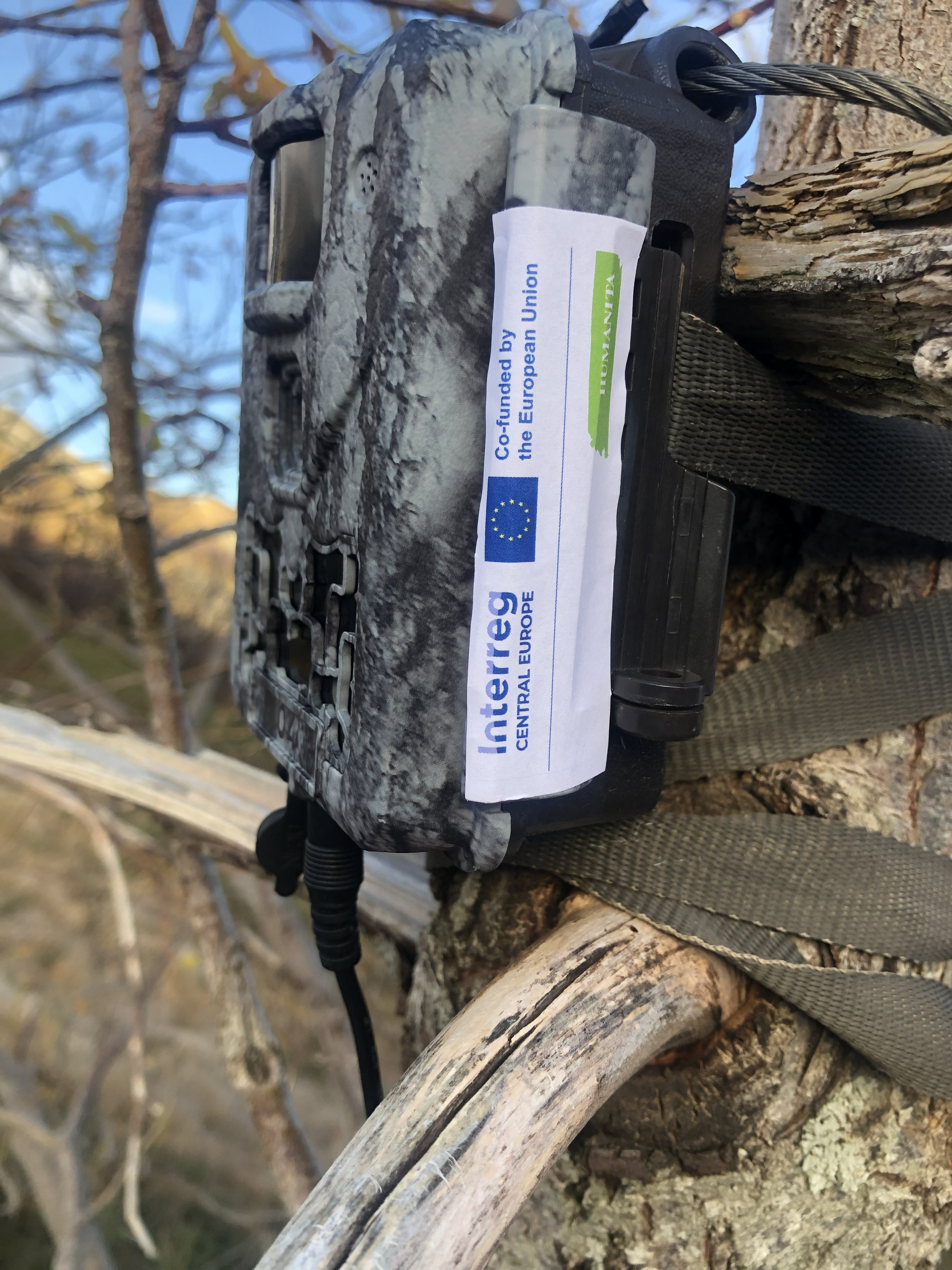
Camera traps are motion-activated devices that can be deployed along hiking trails, entrances, access points, or other strategically selected locations to document human presence. When triggered by movement, the devices capture images or short video sequences with embedded timestamps. They can operate continuously over extended monitoring periods and are particularly suitable for remote or natural environments where automated visitor counting is required. Camera traps function without direct interaction with visitors and allow repeated deployment at fixed locations to ensure comparability over time. The tool provides reliable presence detection of different recreational activities (hiking, cycling, skiing, motor vehicles) in locations where visitor flow is spatially concentrated.
Constraints
- Performance is mainly limited by human interference, not environmental conditions.
- Devices placed in busy areas are more vulnerable to tampering, theft, or battery removal.
- High visitor frequency requires increased battery capacity and storage space.
- Incorrect setup (angle, sensitivity, trigger interval) may lead to poor detection quality.
- Data collection can be interrupted by accidental or deliberate manipulation.
- Data protection and privacy regulations must be strictly considered when deploying cameras along trails.
Requirements
- Camera trap devices suitable for outdoor conditions
- Sufficient batteries or external power supply
- Adequate memory cards/storage capacity
- Mounting equipment (e.g. straps, brackets, lockable housings)
- Regular field maintenance and technical checks
- Personnel for data retrieval and device management
- Clear data protection procedures and signage where required
Tool Impact
Camera traps have a generally low environmental impact, as they operate passively and do not require habitat alteration. Installation does not involve soil sealing, vegetation removal, or permanent infrastructure. Wildlife disturbance is minimal when devices are properly positioned. The primary consideration relates to human perception and privacy rather than ecological disturbance. With appropriate placement, clear communication where necessary, and responsible data handling focused on presence detection rather than individual identification, camera traps represent a low-impact tool for visitor monitoring in natural environments.
Best Practices
-
Within the Interreg CE project HUMANITA, camera traps were deployed at selected trail segments, access points, and entrances to huts or protected areas where visitor flow is spatially constrained and detection probability is high. Monitoring was conducted over extended periods to capture daily, weekly, and seasonal variation in human presence. Images were periodically retrieved and processed to extract time-stamped presence information. The aggregated data enabled spatial and temporal assessment of visitor distribution and intensity, supporting evidence-based management decisions.
Helpful hints to use the tool proficiently
- Carefully select strategic locations where visitor flow is naturally concentrated.
- Position cameras to optimize detection efficiency while reducing visibility to prevent tampering.
- Use lockable housings and steel cables in high-frequency areas.
- Conduct frequent checks during initial deployment to verify settings and positioning.
- Adjust trigger sensitivity and angle to minimize false triggers.
- Plan for higher battery and storage demand on popular trails.
- Document installation details to ensure replicability over time.
Specification
| Category | Device / Key |
| Properties |
Measurement device
Sensor
Small/light
|
| Range |
ground
local
|
Linked tools
| Category | Tool title and description |
Study object
|
Study focus
|
Work step
|
Tool purpose
|
Classic | Professional | Free to use | Experimental |
|
AI-based visitor counting from photo and video data
Use of AI-based image and video analysis software to automatically detect and count visitors from camera data, supporting continuous and non-intrusive monitoring of visitor numbers and flows in protected areas. |
|
|
|||||||
|
Automatic visitor counters
Automated sensor-based systems for quantifying visitor numbers and analyzing temporal and spatial visitation patterns in natural areas. |
|
|
|||||||
|
Camera traps for wildlife monitoring
Motion-activated camera trap for remote, non-invasive wildlife and visitor monitoring providing valuable data on species presence, abundance, activity patterns, and behaviour over time. |
|
|
|||||||
|
GPS Loggers for visitor monitoring
Portable devices used to record visitor movement patterns, routes, speed, and stay times, providing spatially explicit data to better understand visitor flows and site use. |
|
|
|||||||
|
MegaDetector Video Counting
Adapted MegaDetector algorithm (AI model that identifies animals, people and vehicles in camara trap images) to count animals, people and vehicles in short videos. |
|
|
|||||||
|
Mobile phone network data for visitor monitoring
Use of anonymized and aggregated mobile network event data to estimate visitor numbers and origin areas for selected protected areas and surrounding regions. |
|
|
Gallery
Images