
Content
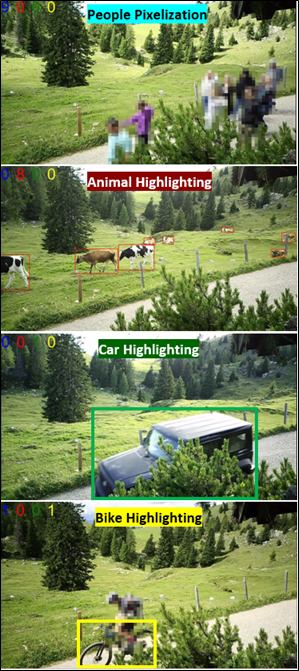
Adapted MegaDetector algorithm (AI model that identifies animals, people and vehicles in camara trap images) to count animals, people and vehicles in short videos.
Classification
Key characteristics
Tool description
Constraints
- It does not identify species or vehicle types, but instead flags images/videos for further review or downstream analysis.
- Not the total number of passing objects but the peak number of classes per video is counted which may lead to undercounting.
- The same object might appear on the 2 subsequent videos which may lead to a double counting.
- Privacy and data protection constraints may limit deployment and data storage
Requirements
- Python
- Trail camera with continuous power supply
- Computing infrastructure for data processing (local or cloud-based)
Tool Impact
Best Practices
-
Within Interreg CE HUMANITA and Interreg It-At INDIALPS project the Megadetector algorithm was tested and further developed to enable animal, people and vehicle counting in short video clips.
Helpful hints to use the tool proficiently
- Make sure the camera view covers a sufficient street length preventing the vehicles from appearing only at frame ends.
- Place the camera on a curve where vehicles slow down, giving the motion triggered camera enough time to switch on and off.
- Make sure the power supply to the camera is continuous preventing the camera from going off at peak traffic times.
Specification
| Category | Software |
| Platform |
Desktop
|
| Operating system |
Windows
|
| Mode | Only offline |
Linked tools
| Category | Tool title and description |
Study object
|
Study focus
|
Work step
|
Tool purpose
|
Classic | Professional | Free to use | Experimental |
|
AI-based visitor counting from photo and video data
Use of AI-based image and video analysis software to automatically detect and count visitors from camera data, supporting continuous and non-intrusive monitoring of visitor numbers and flows in protected areas. |
|
|
|||||||
|
Automatic visitor counters
Automated sensor-based systems for quantifying visitor numbers and analyzing temporal and spatial visitation patterns in natural areas. |
|
|
|||||||
|
Camera traps for visitor monitoring
Passive recording of human presence along trails and access points using motion-triggered camera traps. |
|
|
|||||||
|
Camera traps for wildlife monitoring
Motion-activated camera trap for remote, non-invasive wildlife and visitor monitoring providing valuable data on species presence, abundance, activity patterns, and behaviour over time. |
|
|