Content
Acoustic monitoring using mobile sensor networks (AudioMoth) to detect and record bat activity, human disturbance, and noise pollution in cave ecosystems.
Classification
Key characteristics
Tool description
Constraints
- Late arrival of bat populations in caves reduces data collection window.
- Battery life limitations require system optimization for continuous recording.
- Large data volume generated requires substantial storage and processing capacity.
- Acoustic analysis dependent on background noise levels and environmental conditions.
- Device positioning critical for accurate species identification and human detection.
- Requires expertise in acoustic ecology and bat bioacoustics for data interpretation.
- Cannot differentiate between similar bat species without additional visual confirmation.
Requirements
- AudioMoth acoustic sensors (4 units minimum for comprehensive cave monitoring)
- High-capacity SD cards for data storage (full-frame recording 60 minutes before sunrise and 60 minutes after sunset generates ~2GB per day)
- Rechargeable batteries or solar charging systems for extended deployment
- Weather-resistant housing and protective casing for cave environment
- Technical expertise in bioacoustics and audio file processing (Collaboration with bat researchers for species identification verification recommended)
- Specialized software for acoustic analysis and species identification
- Regular calibration and maintenance protocols
- Data security and GDPR-compliant storage systems
Tool Impact
Best Practices
-
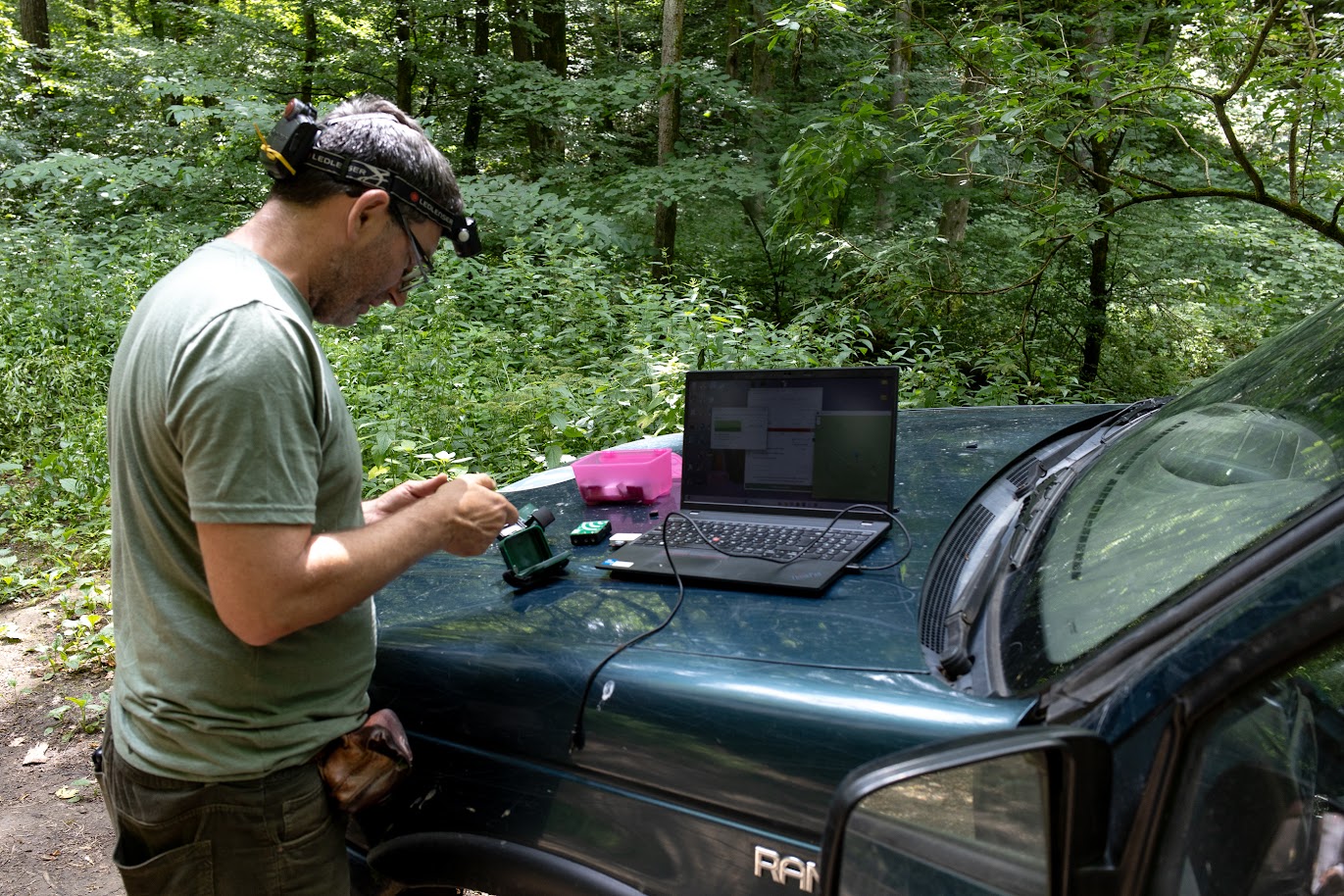
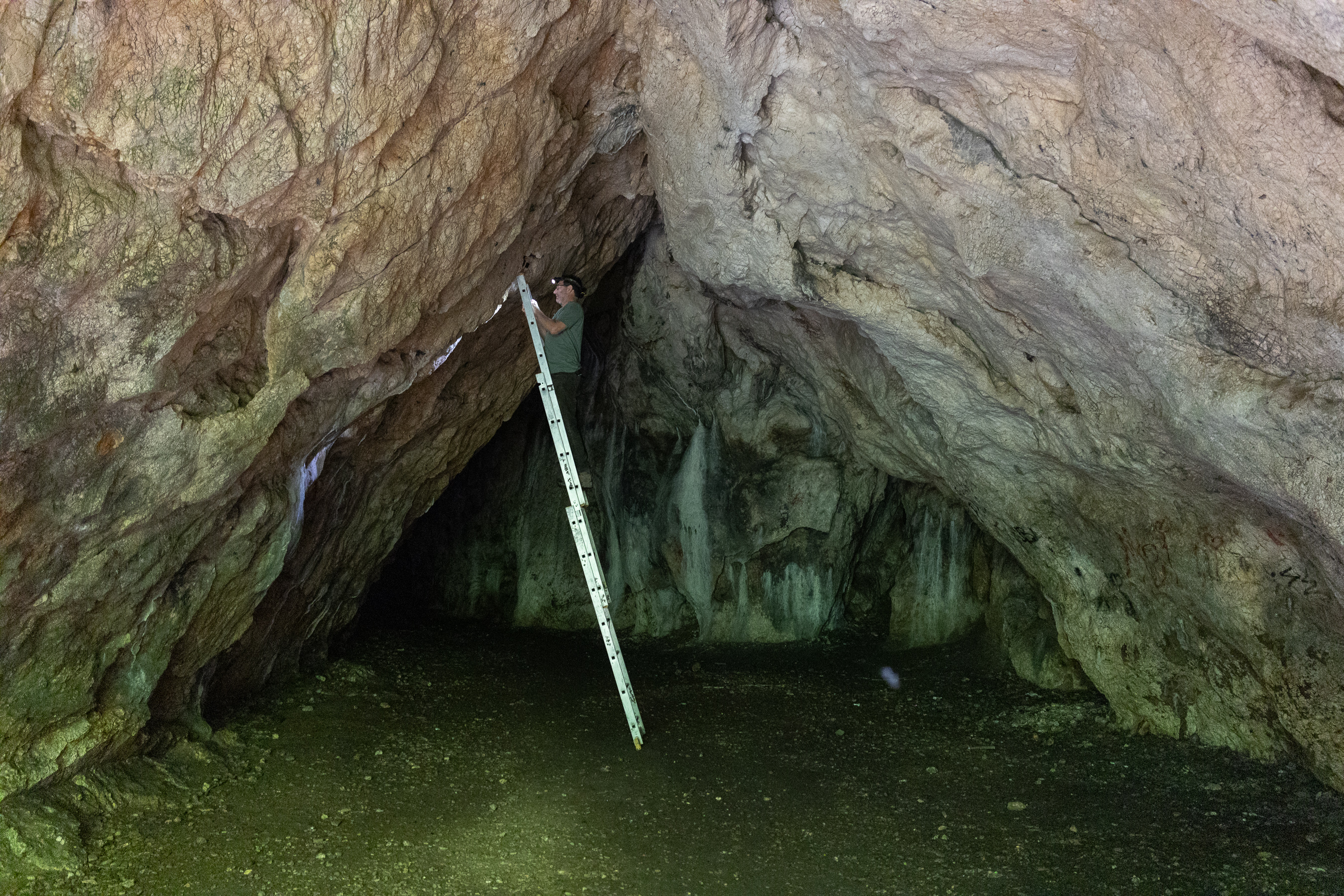
Four AudioMoth acoustic sensors were deployed at the entrance and inside Kecske-lyuk cave in Forrás Valley, Bükk National Park, Hungary within the Interreg CE project HUMANITA. The devices operated continuously from 60 minutes before sunrise to 60 minutes after sunset, capturing both bat echolocation calls and human-generated noise. The monitoring system detected four bat species (Greater horseshoe bat, Lesser horseshoe bat, Schreiber's bat, and Mediterranean horseshoe bat) and identified human presence through noise signature analysis. Data was recorded in high-resolution audio format and subsequently converted to structured Excel files for analysis and archiving in the shared HUMANITA database. Data integration with visitor counts allowed correlation analysis between tourism intensity and wildlife responses.
Helpful hints to use the tool proficiently
- Place sensors strategically at both cave entrances and interior locations to capture habitat variation and maximize detection, documenting placement with photos and GPS coordinates.
- Test sensors in the target environment and plan installations as temporary or permanent based on cave fragility and tourism pressure.
- Schedule recordings around peak bat activity and record environmental conditions (temperature, humidity, visitor numbers) concurrently.
- Use reference calls and sound calibration standards to validate automated identification and ensure comparability across sites and periods.
- Maintain equipment regularly (batteries, storage) and collaborate with local rangers or conservation groups for support and quality control.
- Compare sites with and without visitor access, and where possible cross-validate acoustic data with visual observations to detect tourism impacts.
Specification
| Category | Device / Key |
| Properties |
Sensor
Small/light
Can be used in online/live mode
|
| Range |
close range
local
|
Linked tools
| Category | Tool title and description |
Study object
|
Study focus
|
Work step
|
Tool purpose
|
Classic | Professional | Free to use | Experimental |
|
Acoustic monitoring guideline
A detailed guideline from the World Wildlife Fund (WWF) on acoustic monitoring. |
|
|
|||||||
|
bat analysis / identification software
Many software programs for analysis and classification of bat call audio recordings are available. Here, a few examples are described. |
|
|
|||||||
|
bat detectors
Bat detectors are acoustic devices that detect ultrasonic wavelengths that are emitted by bats. |
|
|
|||||||
|
NSNSDAcoustics (R-Studio)
Natural Sound and Night Skies Division repository to develop and modernise bioacoustic workflows |
|
|
|||||||
|
Song Meter acoustic devices
The Wildlife Acoustics Song Meter line of acoustic devices records birds, amphibians, bats, and wildlife that vocalise in the audible and ultrasonic ranges. The recorders are equipped with build-in, low-noise microphones and an optional second acoustic mic stub accesory that enables stereo recording. |
|
|
Gallery
Images