
Soil mite analysis
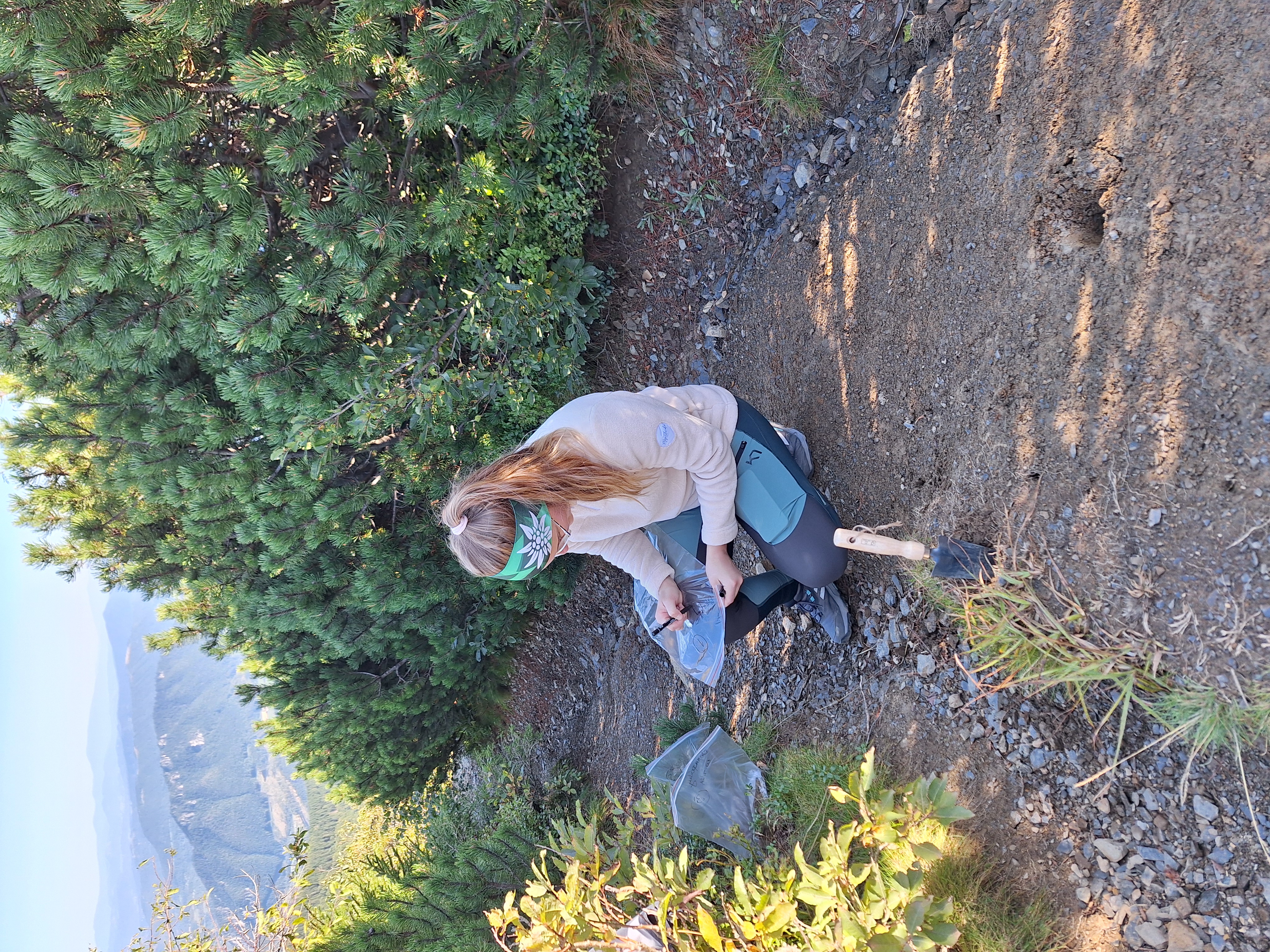
Soil mite analysis
Soil mite analysis
Image source: Sitanyiova © 2025 All rights reserved
Soil mite analysis involves identifying mite communities in soil to assess soil health, nutrient cycling, and the functioning of ecosystems. The purpose is to understand soil biodiversity, track environmental changes (such as pollution and land use), or study decomposition/nutrient cycles. Soil mites are excellent bioindicators due to their abundance, diversity, and sensitivity to soil conditions.
Classification
9
10
Study object
Animals
Habitats
Indicators
Forest
Rocky
Grassland
Savanna
Desert
Wetlands
Shrubland
Other invertebrates
Other
Study focus
Anthropogenic factors and impacts
Biodiversity (Species populations and Community Composition)
Ecosystem State, Structure and Functioning
Precise focus
Species abundance
Species identification
Pollution
Species disturbances (invasive species, etc.)
Land-use and Land-use change
Visitor Monitoring (distribution, economics and profiling)
Species distributions
Soil quality and composition
Species diversity
Other exploitations/violations
Key characteristics
Work step
Data collection
Data analysis
Tool purpose
Numeric and Alphanumeric Data
Photo/Video Data
Genetic Data
Spatial Data
Properties
Classic
Professional
Keywords
Indicator values
Terrestrial - belowground
HUMANITA
Biodiversity
Tool description
Soil mite analysis involves systematic collection, extraction, identification, and evaluation. Sampling is conducted at selected plots using corers or trowels, standardized by depth and volume, and accompanied by metadata including date, GPS coordinates, weather conditions, and habitat type. Samples are transported to the laboratory under cool conditions. Mites are extracted using Berlese or Tullgren funnels, preserved in ethanol, and sorted under a stereomicroscope. Identification is performed at species or higher taxonomic levels using morphological keys or DNA barcoding. Abundance and diversity data are recorded, entered into databases, and analyzed statistically to compare habitats and assess ecological patterns. Results inform soil quality assessments and are archived and presented through reports, tables, and figures.
Constraints
- Soil corers and trowels sample only a small, shallow portion of the habitat and may miss patchy or deeper populations.
- Berlese and Tullgren funnels are effective primarily for mobile organisms and require dry soil, making extraction from wet or clay-rich samples less efficient.
- Preservation in ethanol can cause shrinkage or fragility, complicating identification.
- Long-term storage demands careful handling.
- Morphological identification requires taxonomic expertise, whereas DNA barcoding is accurate but costly and laboratory-dependent.
- Small sample sizes and spatial heterogeneity can reduce statistical power.
Requirements
- For sampling: soil corers, trowels, and labeled containers or bags
- GPS devices and notebooks to record metadata
- Accurate environmental metadata to properly interpret ecological patterns
- In the laboratory: extraction funnels such as Berlese or Tullgren funnels, collection vials, and ethanol for preservation, stereomicroscopes, taxonomic keys, reference literature
- If DNA barcoding is used, molecular biology equipment and reagents
- Proper storage facilities for preserving samples for long-term
- Trained personnel in soil sampling techniques, microscopic identification, and safe handling of chemicals
- Access to statistical software and data management tools for analyzing and archiving results
Tool Impact
Soil mite analysis has a generally low environmental impact, as sampling is localized and minimally invasive. Soil cores remove only small volumes of substrate and do not require permanent installations or habitat alteration. Disturbance is limited to small sampling plots and does not significantly affect overall soil structure or ecosystem functioning when conducted responsibly.
Best Practices
-
Within the Interreg CE project HUMANITA soil mite communities were monitored along tourist trails and surrounding areas in the Malá Fatra National Park and remote area in Tatra National Park. Samples were collected manually twice a year, before and after the main tourist season, at three microhabitats: directly on trails, at ecotones, and in nearby undisturbed control sites. Mites were extracted, identified into Oribatida, Mesostigmata, Astigmata, and other groups, and analyzed using three main biodiversity indicators: number of individuals, density per 375 cm³ of soil, and Simpson’s Diversity Index. Data were normalized for direct comparison across years, seasons, and site types. Results showed that control sites consistently had the highest abundance, density, and diversity, while trail sites were strongly degraded. Seasonal changes had minimal effects on abundance and density, though diversity increased slightly after the tourist season. Yearly comparisons suggested a minor decline in environmental conditions in 2024. These findings highlight the ecological importance of ecotone zones and demonstrate that soil mite monitoring provides a sensitive, reliable method for evaluating human impact on soil biodiversity and supporting long-term conservation management.
Helpful hints to use the tool proficiently
- Standardize sampling depth and soil volume across all plots to ensure comparability over time and between sites.
- Clearly define and consistently sample contrasting microhabitats (e.g. trail center, ecotone, undisturbed control) to detect gradients of disturbance.
- Schedule sampling before and after peak visitor seasons to capture potential tourism-related effects.
- Avoid sampling immediately after heavy rainfall, as excess moisture reduces extraction efficiency.
- Label samples carefully and record complete metadata (GPS, habitat type, weather, date) to support later interpretation.
- Process samples as soon as possible after collection to prevent organism degradation or data loss.
- Ensure consistent extraction duration and funnel settings to avoid methodological bias.
- Document all laboratory procedures and taxonomic decisions to ensure transparency and reproducibility.
- When resources allow, complement morphological identification with DNA-based methods for validation.
- Interpret results in relation to soil type, vegetation cover, and visitor intensity, not in isolation.
Specification
| Category | Manual / Guideline / Framework |
| Type |
field guideline
guideline
methodology
|
| Range |
local
|
Gallery
The gallery is empty.