Content
Standardized beach litter monitoring methodology for assessing marine plastic pollution in coastal and marine protected areas.
Classification
Key characteristics
Tool description
Plastic Busters MPAs is a standardized monitoring and management framework developed for assessing and reducing marine litter, particularly plastic pollution, in coastal and marine protected areas (MPAs). The methodology applies a harmonized approach to beach litter monitoring, enabling consistent data collection, comparability across sites, and long-term trend analysis.
The monitoring protocol follows a structured, full-cycle approach that includes assessment, prevention, mitigation, and governance measures. Field surveys focus on quantifying and categorizing beach macro-litter along predefined transects. Data collected include litter quantity, composition, and spatial distribution.
Monitoring is recommended four times per year to capture seasonal variability: winter (January), spring (April), summer (July), and autumn (October). This temporal framework supports detection of seasonal patterns, tourism-related impacts, and storm-related deposition events.
The methodology contributes to biodiversity conservation, pollution assessment, and evidence-based coastal management.
Constraints
- The amount and composition of beach litter can be strongly influenced by external events, which may cause unusual litter types or quantities.
- Short-term incidents (e.g. shipping container losses, sewage system overflows) can bias results if not documented.
- Weather conditions such as strong winds or heavy rainfall can affect litter deposition and distribution.
- Beach management activities (e.g. nourishment or replenishment) may alter litter presence and comparability over time.
Requirements
- High-resolution camera
- Hand-held GPS unit with extra batteries
- 100-metre tape measure (fiberglass preferred)
- Flag markers/stakes
- Rubbish bags
- Protective gloves
- Rigid container and sealable lid to collect sharp items such as needles, etc.
- Clipboard for each surveyor
- Recording sheets (printed on waterproof paper)
- Pencils and pens
- First aid kit (to include sunscreen, bug spray, drinking water)
Tool Impact
Beach litter monitoring has a generally low environmental impact and may provide positive effects through the removal of collected waste. However, surveys must be conducted carefully to avoid disturbance to protected or endangered species, such as sea turtles, shorebirds, marine mammals, and sensitive dune or coastal vegetation. Survey timing and movement across beaches should be planned to minimize ecological disturbance.
Best Practices
-
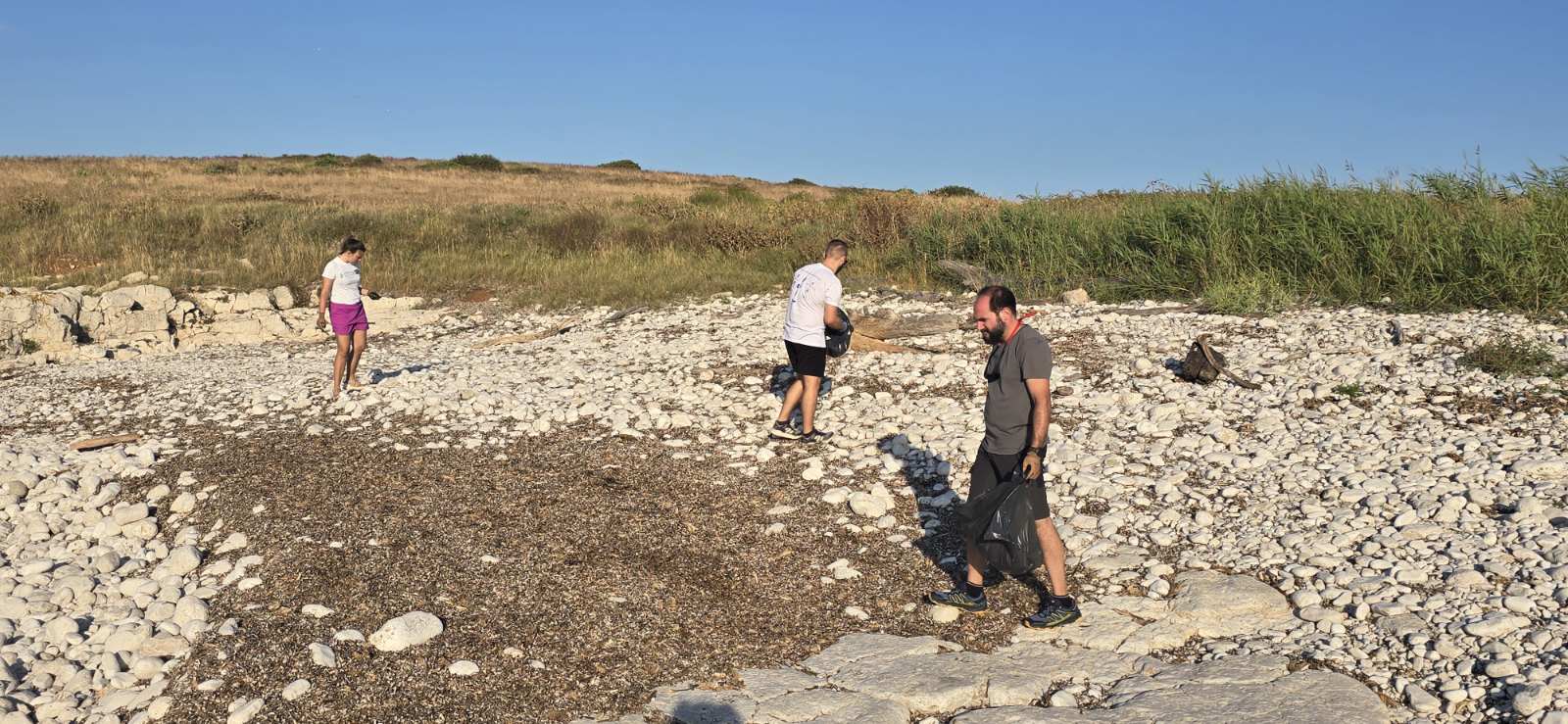
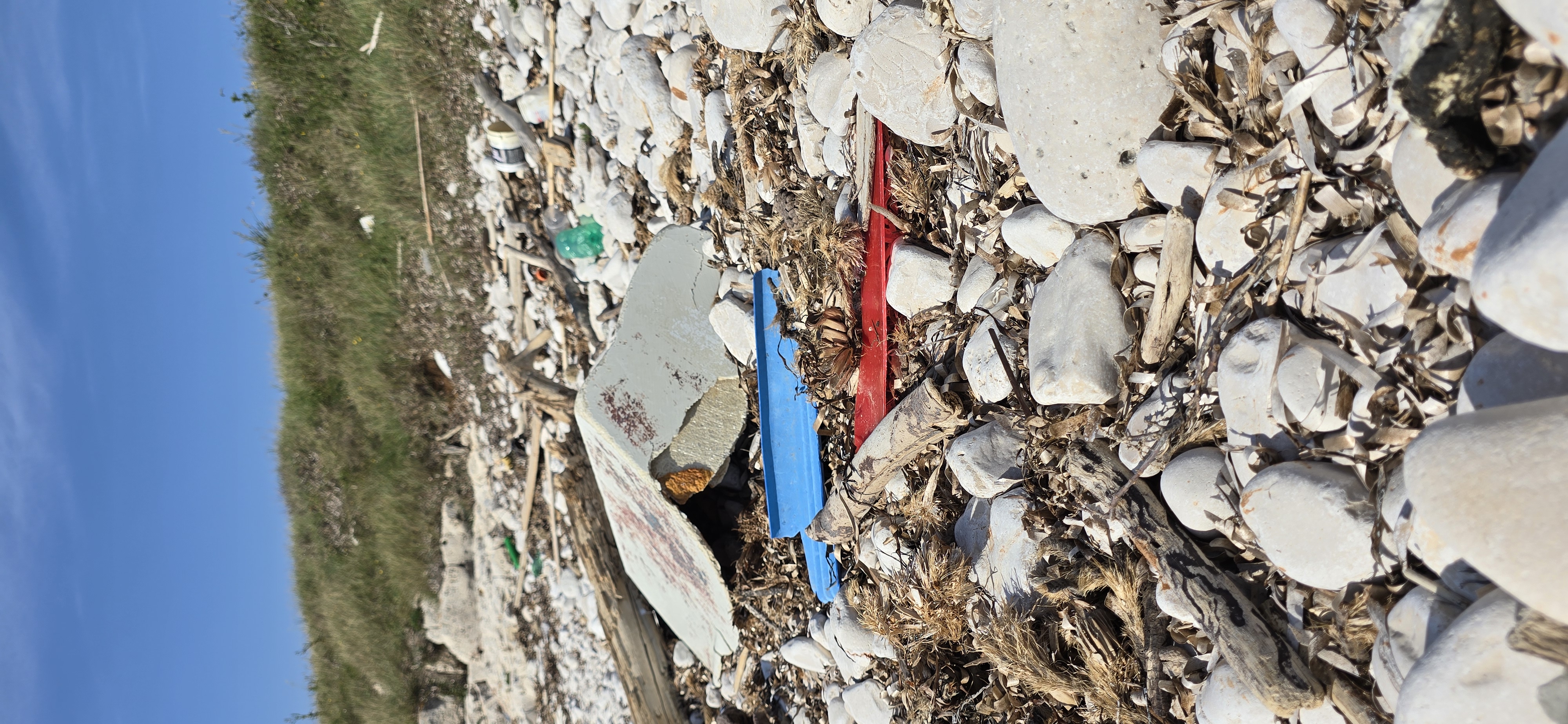
Within the Interreg CE project HUMANITA, the Plastic Busters MPAs methodology was applied at the pilot site of Significant Landscape Kamenjak beaches. The standardized approach enabled seasonal assessment of beach litter and supported evaluation of tourism-related pressures in a protected coastal area. The use of harmonized protocols ensured data comparability and contributed to evidence-based management recommendations for reducing marine litter in sensitive coastal ecosystems. Further methodological guidance is available through established international beach litter monitoring frameworks and published scientific studies as well as on the website of the Interreg Mediterranean project Plastic busters.
-
Further reading is provided by a study carried out on southern Baltic beaches - Schernewske et al., 2017.
-
A guideline of the methodology can be found here: Guideline for Monitoring Marine Litter on the Beaches in the OSPAR Maritime Area.
Helpful hints to use the tool proficiently
- Record all influencing factors listed under constraints (weather, recent storms, beach cleaning activities, unusual pollution events) during each survey.
- Conduct surveys at consistent tidal and weather conditions where possible.
- Ensure transect locations are clearly documented and repeatable for long-term monitoring.
- Photograph each transect before and after litter collection for documentation.
- Provide training to surveyors to ensure consistent litter classification.
- Separate and document unusual or hazardous waste items carefully.
- Avoid disturbing nesting birds, dune vegetation, or other sensitive habitats.
- Coordinate with local authorities to document recent cleaning or maintenance activities.
- Store and archive data in a structured database to enable long-term trend analysis.
Specification
| Category | Manual / Guideline / Framework |
| Type |
field guideline
guideline
methodology
|
| Range |
local
regional
|
Linked tools
| Category | Tool title and description |
Study object
|
Study focus
|
Work step
|
Tool purpose
|
Classic | Professional | Free to use | Experimental |
|
Field recording form
Standardized paper form for collecting monitoring data in the field. |
|
|
|||||||
|
frequency counts
Counting the presence of individuals (animals, plants, etc.) in a given study location. |
|
|
|||||||
|
Linear measurement equipment
Measuring equipment like a tape measure or ruler for measuring short distances (< 100 m). |
|
|
|||||||
|
plot marking material
Tools for highlighting the units being surveyed. |
|
|
|||||||
|
Single-lens reflex (SLR) camera
Device for taking digital images in high resolution. |
|
|
|||||||
|
stakes and survey nails
Tool for fixing strings or marking study unit edges. |
|
|
Gallery
Images